Skip to content
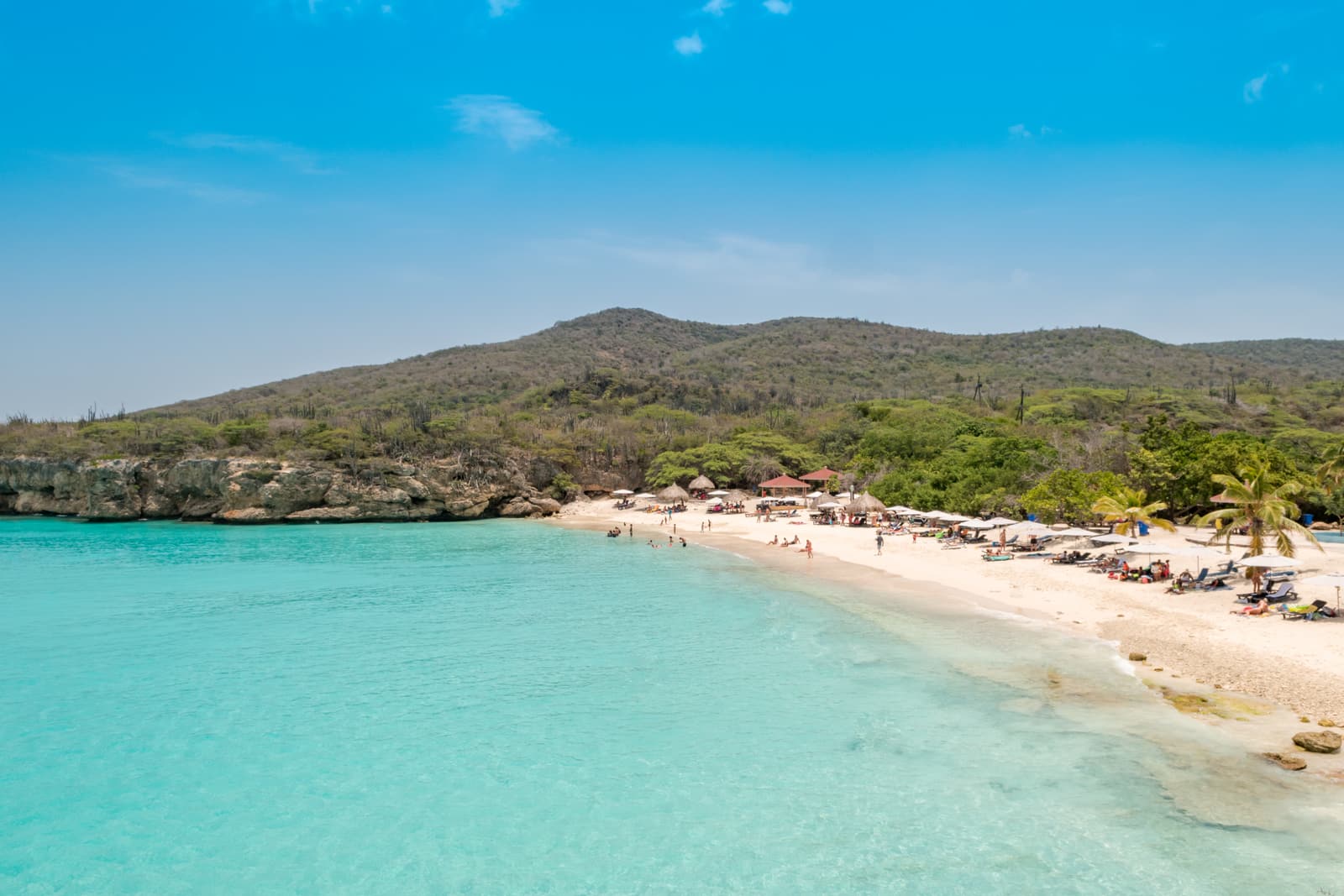
The white-sand cove of Grote Knip with turquoise water

Places to Visit on Curaçao

Sixteen places, from the UNESCO waterfront of Willemstad to the turtle beaches of the west and the empty island offshore.

Curaçao is about 60 kilometres long and rarely more than 10 wide. Willemstad sits in the middle of the south coast; the resort coast stretches east of it; and the long road west — through Bandabou, the countryside of plantations, salt pans and cactus — leads to the best beaches and the national parks.

With a car you can reach anywhere on the island in about an hour. Below, places are grouped by area so you can plan days that make sense on the map.
Willemstad and around

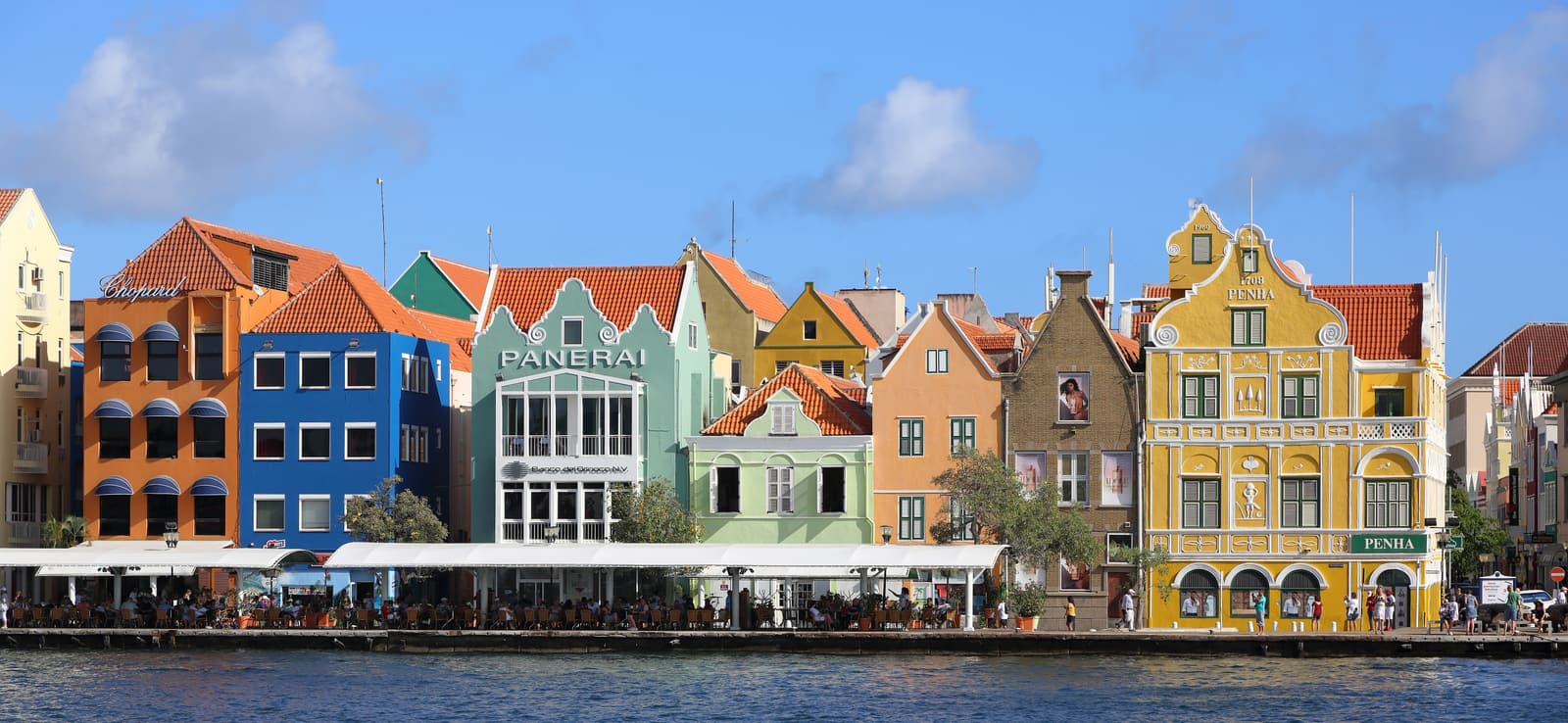
The row of colourful gabled merchant houses along the Handelskade in Punda Willemstad and around

Punda & the Handelskade

The old walled town of Willemstad: pastel façades, the swinging bridge and the oldest synagogue in the Americas.

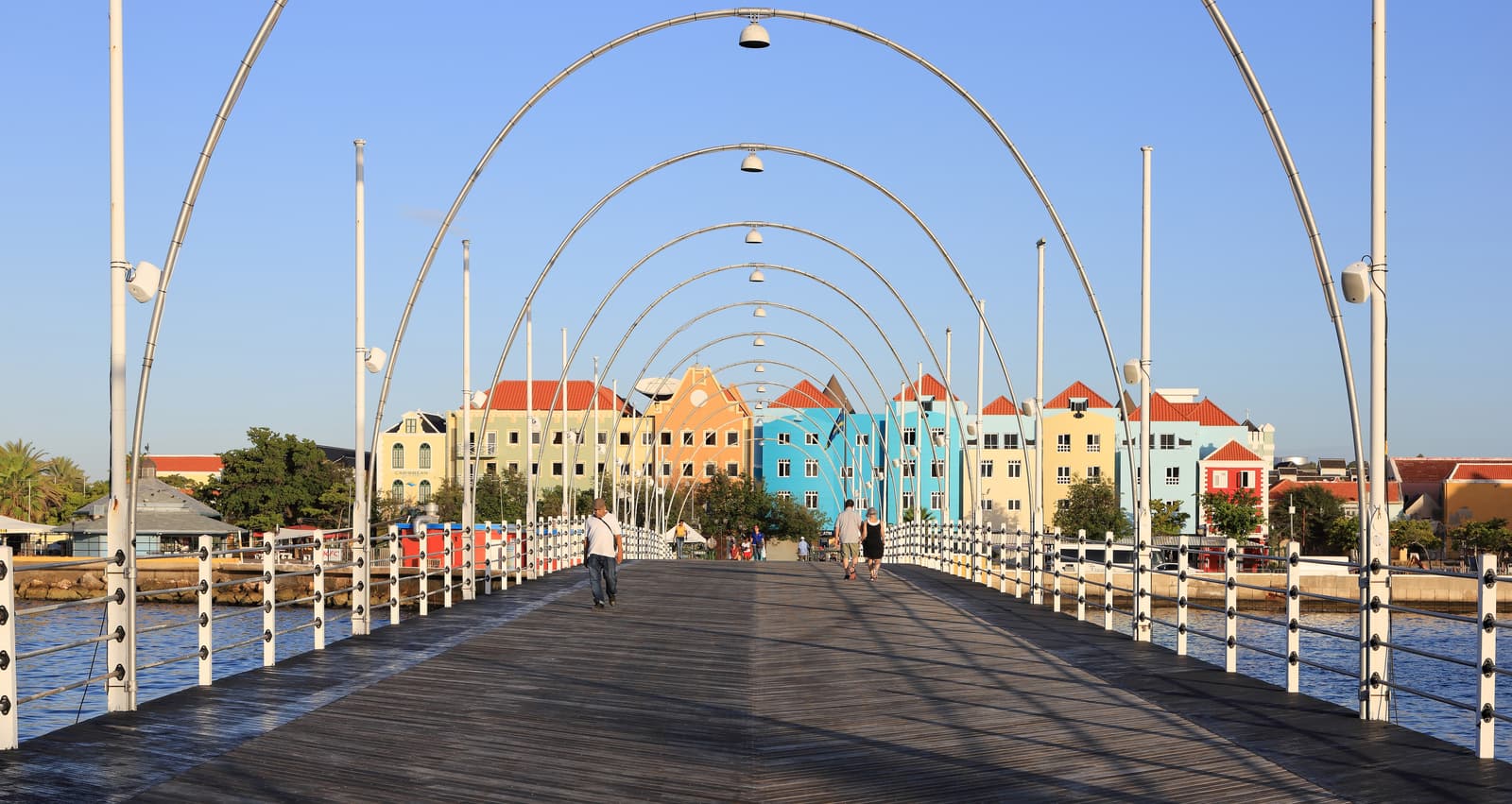
The eastern half of Willemstad’s UNESCO-listed historic centre: the gabled, candy-coloured Handelskade on St Anna Bay, Fort Amsterdam, the Mikvé Israel-Emanuel synagogue, the floating market and a grid of shopping streets you can walk in an afternoon.

The Queen Emma Bridge leading from Otrobanda across St Anna Bay to the Handelskade Willemstad and around

Otrobanda & Kura Hulanda

The “other side” of St Anna Bay: alleys, murals, Rif Fort, the cruise piers and the Kura Hulanda museum.

The western half of historic Willemstad, across the Queen Emma Bridge from Punda. It is where cruise passengers step ashore, where the best view of the Handelskade is, and where a maze of lanes hides murals, old town houses and Museum Kura Hulanda.

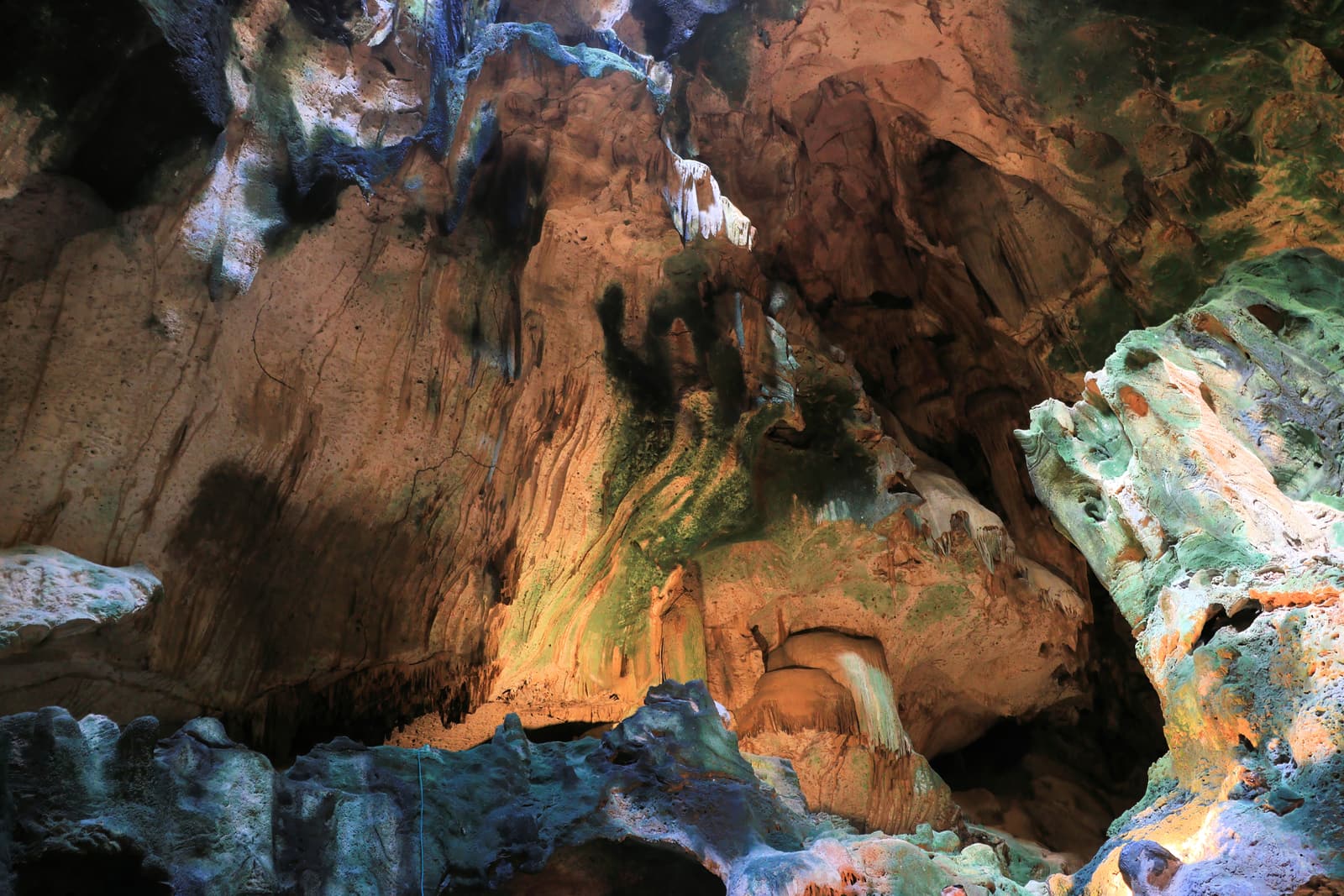
Illuminated stalactites and rock formations in the Hato Caves Willemstad and around

Hato Caves

Limestone caverns, stalactites and bats in an ancient coral terrace near the airport.

The island’s best-known cave system, hollowed out of a raised coral reef on the edge of the Hato plateau. Guided tours lead through chambers of stalactites, a pool and a colony of bats, and a short trail outside passes rock drawings left by the island’s first inhabitants.

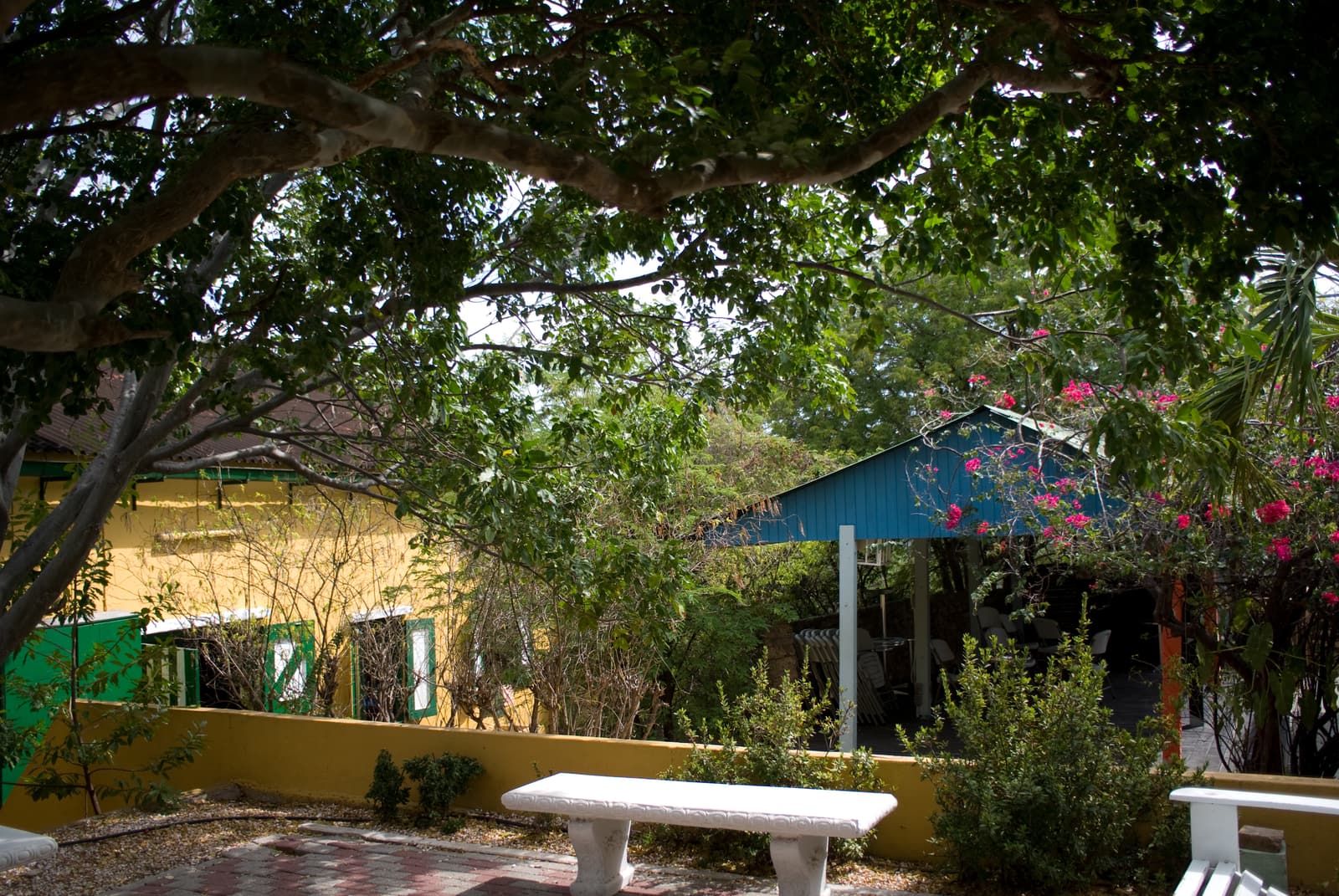
The yellow plantation house of Landhuis Chobolobo behind a garden Willemstad and around

Landhuis Chobolobo (Blue Curaçao)

The 19th-century country house where the original Curaçao liqueur is distilled.

A restored plantation house on the edge of Willemstad, home of the distillery that makes the “Genuine Curaçao” liqueur from the dried peel of the island’s bitter laraha orange — the original of the bright-blue drink sold around the world.

The east: Jan Thiel, Caracas Bay and Spanish Water

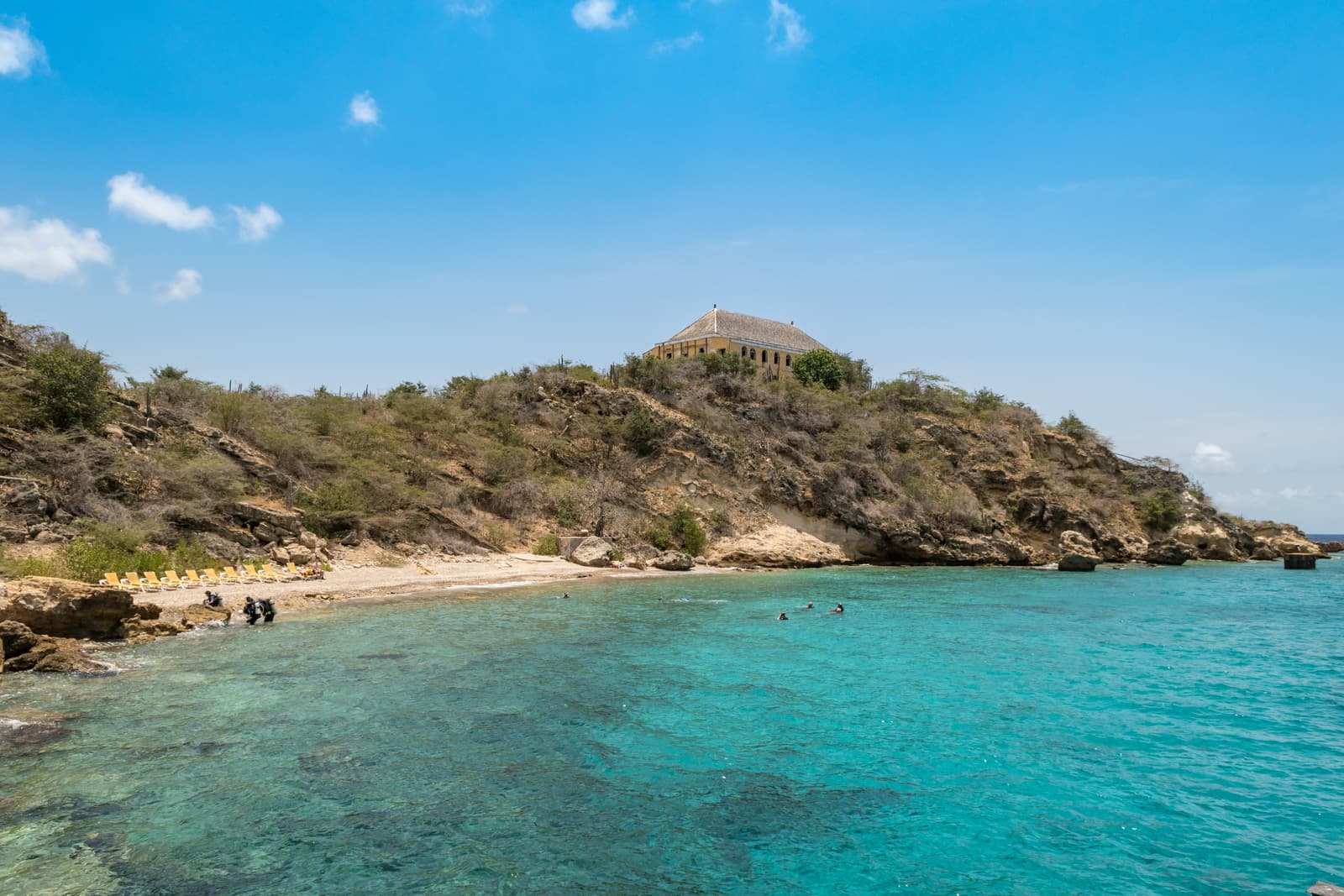
The rocky shore and clear turquoise water at Tugboat Beach The east: Jan Thiel, Caracas Bay and Spanish Water

Tugboat & Caracas Bay

A small sunken tugboat in shallow, clear water — the island’s favourite shore snorkel.

On the Caracas Bay peninsula south-east of Willemstad, a little tugboat lies upright on the sea floor a short swim from the rocks, covered in coral and patrolled by fish. Around it are Caracas Bay, the ruins of Fort Beekenburg and the reefs of Director’s Bay.

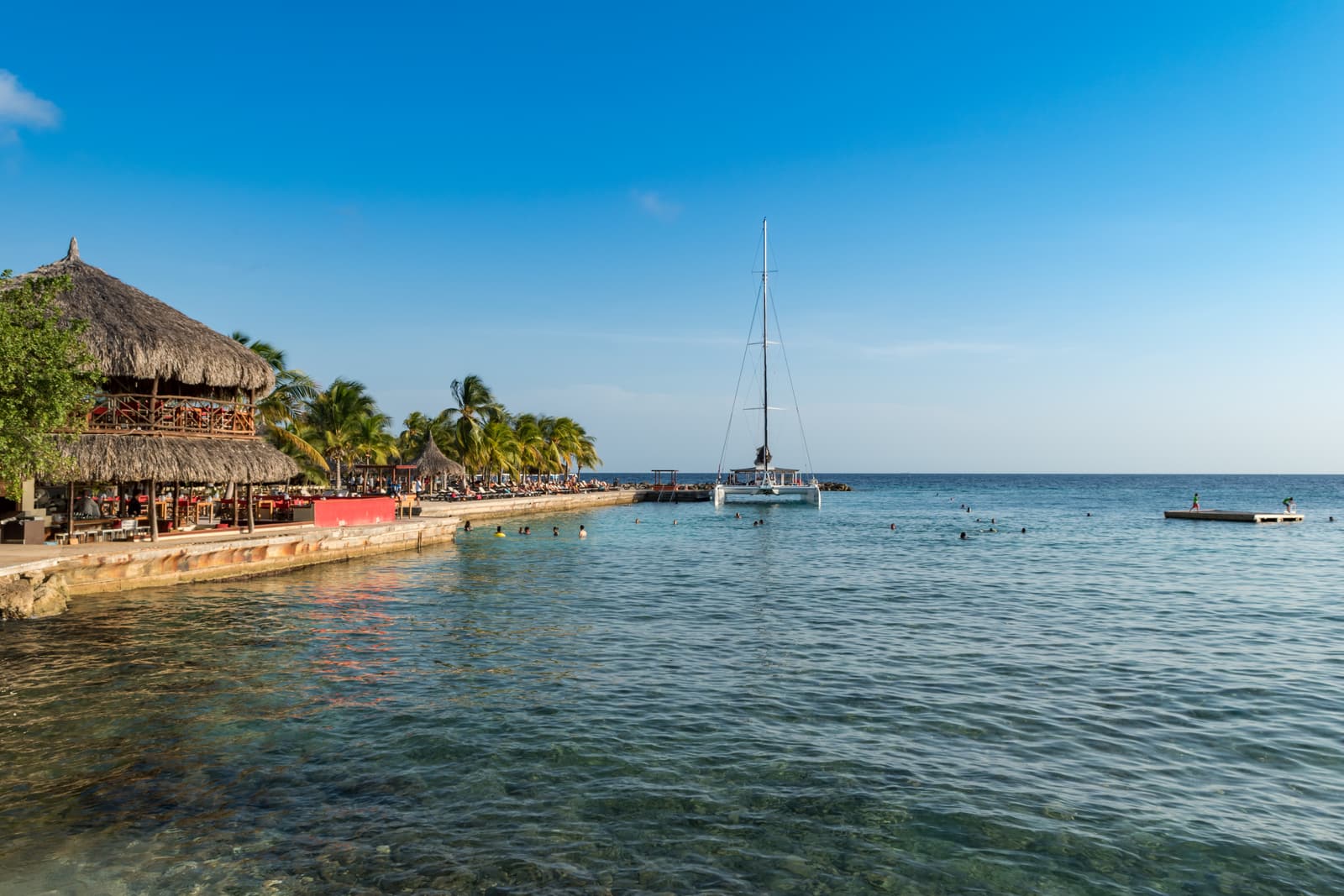
Sun loungers and parasols on the beach at Jan Thiel The east: Jan Thiel, Caracas Bay and Spanish Water

Mambo Beach & Jan Thiel

The lively beach-club coast east of town: sun loungers, restaurants, sunsets and calm water.

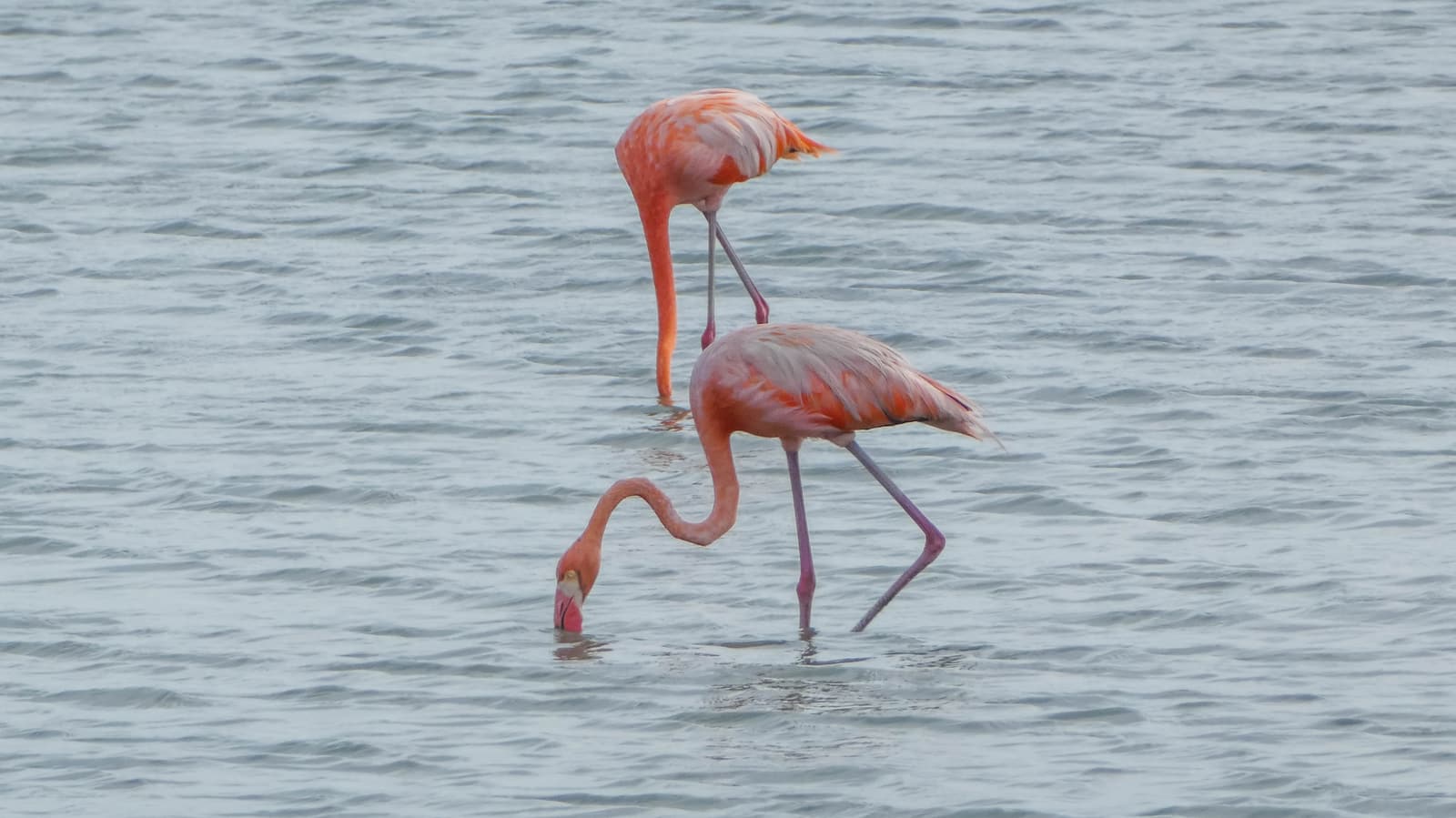
The built-up stretch of coast between the Sea Aquarium and Jan Thiel, with man-made, breakwater-protected beaches, beach clubs, a boardwalk of shops and restaurants, a choice of resorts and, behind Jan Thiel, salt pans where flamingos feed.

Bandabou: the west coast and national parks

The white-sand cove and turquoise water of Grote Knip seen from above Bandabou: the west coast and national parks

Grote Knip (Kenepa Grandi)

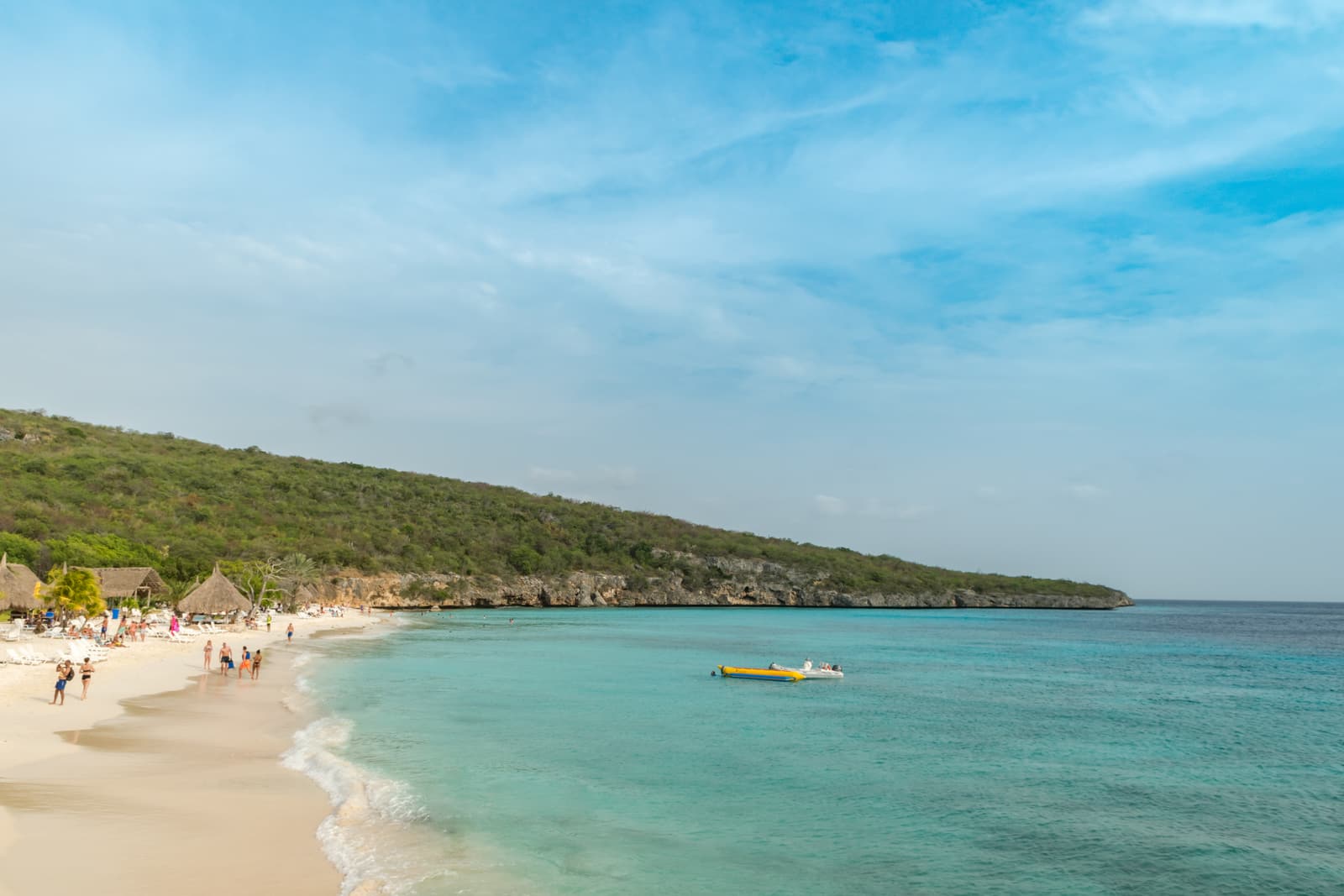
The island’s postcard beach: a cove of white sand and impossibly blue water under the cliffs.

The most photographed beach on Curaçao, a crescent of white sand at the foot of a hill on the north-west coast, with a viewpoint above it. Free, popular and beautiful, it shares its name with Landhuis Knip, where the slave revolt of 1795 began.

The narrow bay and sandy beach of Playa Lagun framed by rocks Bandabou: the west coast and national parks

Playa Lagun

A narrow cove between cliffs with fishing boats, calm water and excellent snorkelling.

A small, sheltered inlet on the west coast, enclosed by rock walls, with a sandy beach, a few fishing boats and reefs on both sides of the bay. Turtles are often seen, and the snorkelling along the cliffs is among the best from any beach.

Palm umbrellas and white sand at Cas Abao beach Bandabou: the west coast and national parks

Cas Abao

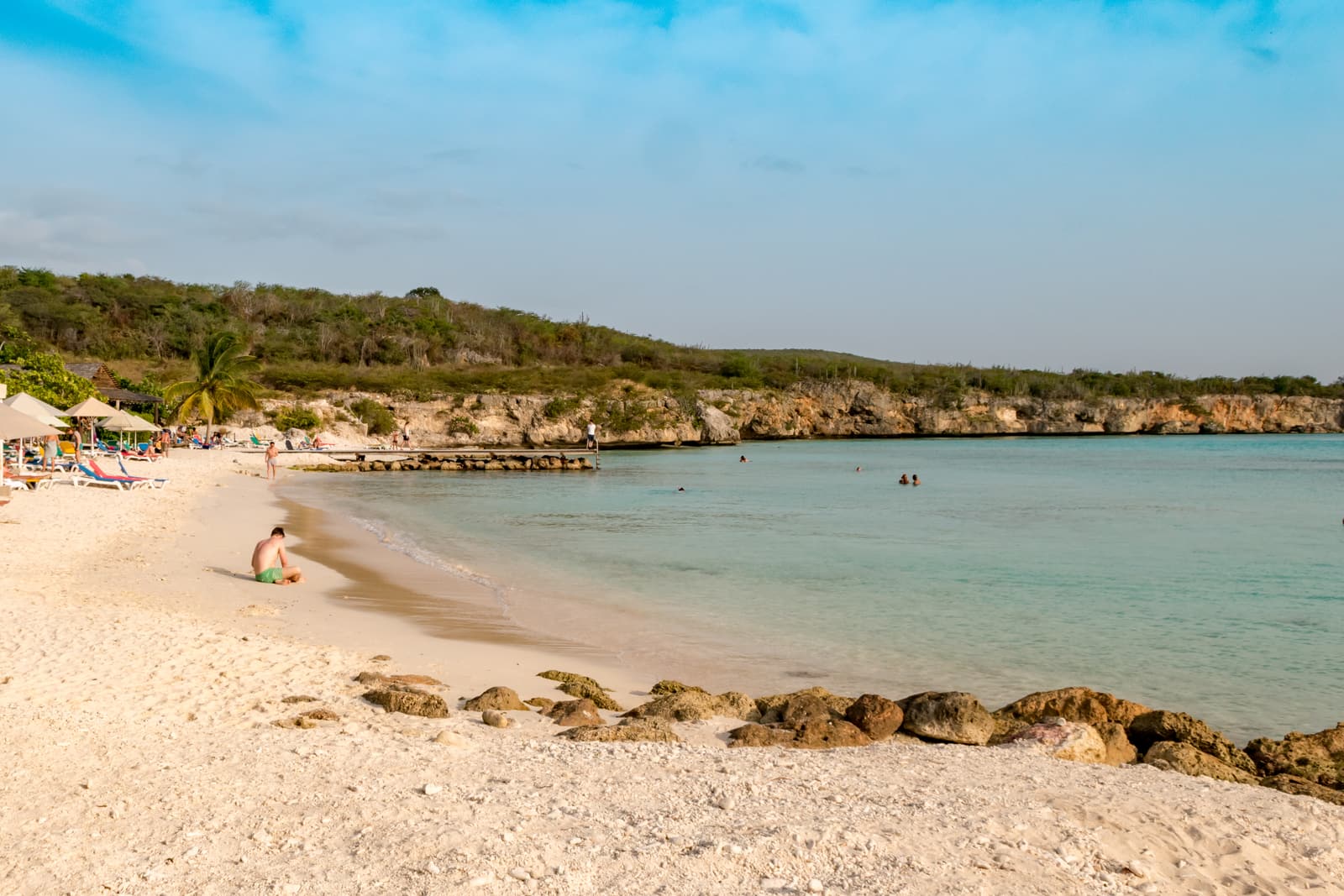
A comfortable, well-run beach with loungers, a restaurant and a reef in front.

One of the west coast’s privately managed beaches, charging an entrance fee per car or person in return for showers, toilets, sun loungers, a restaurant and bar, and a reef within easy reach of the shore. Calm, clean and family-friendly.

The white-sand beach and turquoise water of Playa Porto Mari Bandabou: the west coast and national parks

Playa Porto Mari

A long white beach on a former plantation, with a double reef for snorkellers.

A wide, palm-dotted beach at the end of a dirt road through a former plantation estate in the south-west. Facilities are good, the water is calm and the double reef offshore is popular with snorkellers and divers. An entrance fee applies.

Cacti and dry forest in the hills of Christoffel Park Bandabou: the west coast and national parks

Christoffel National Park

Curaçao’s highest point, plantation history and the island’s wild interior.

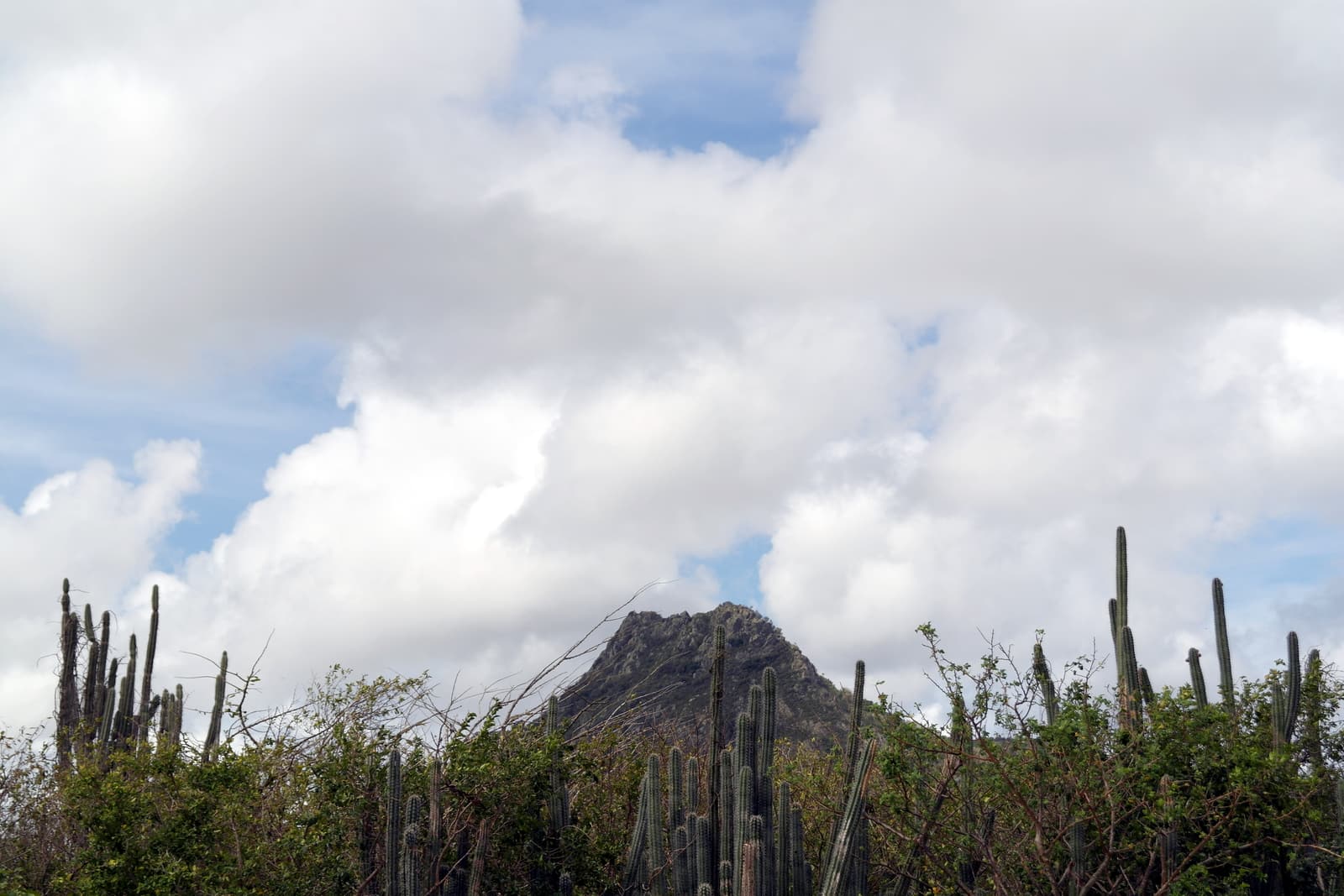
The island’s largest national park covers the hills of the north-west around the Christoffelberg, at about 372 metres the highest point on Curaçao. Hiking trails, scenic drives, old plantation estates and the native deer, iguanas and birds of the dry forest are the draw.

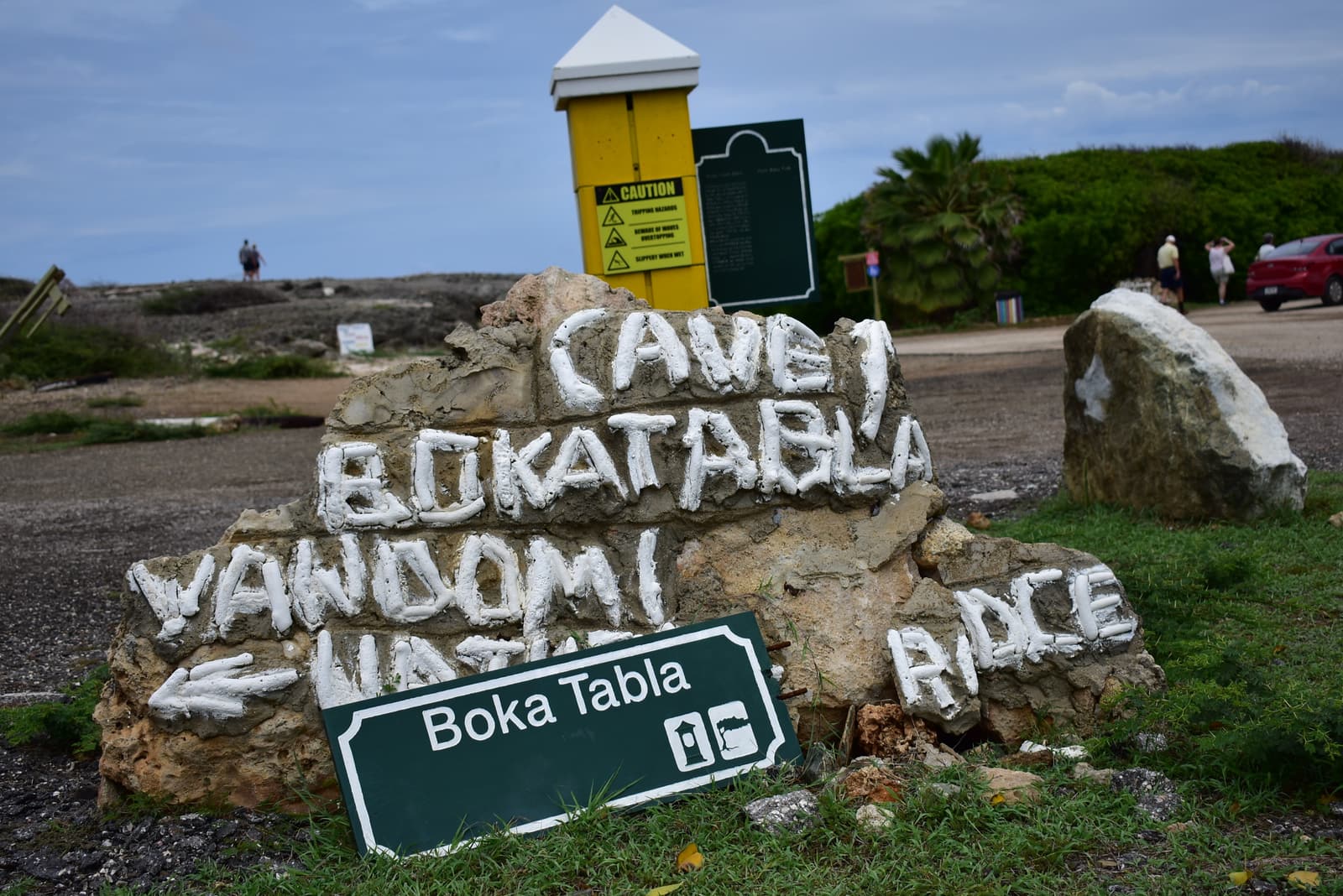
A painted sign at Shete Boka pointing the way to Boka Tabla Bandabou: the west coast and national parks

Shete Boka National Park

Thundering surf in the inlets of the wild north coast, and nesting beaches for sea turtles.

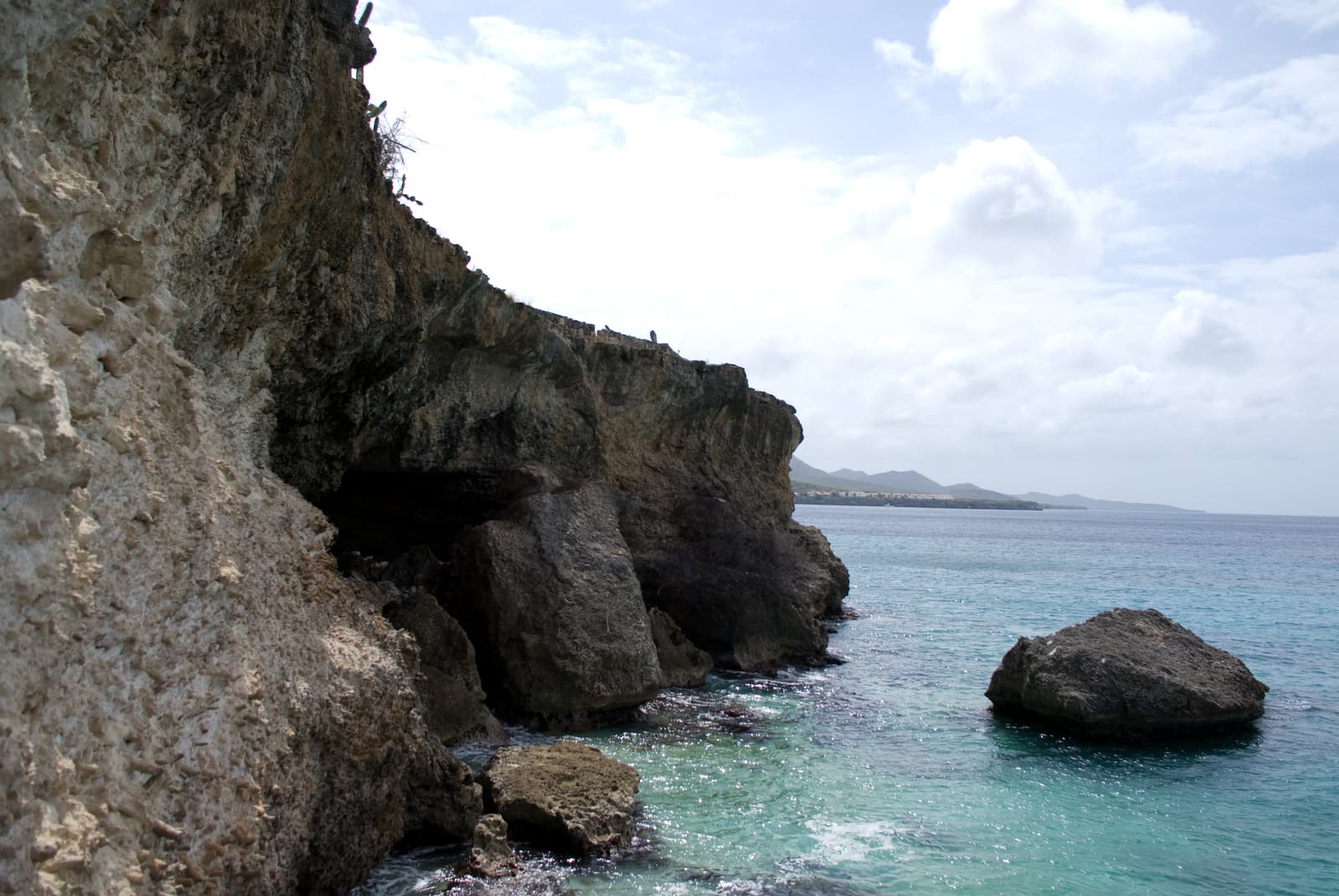
A national park on the rugged windward coast, named after its seven inlets (boka). Waves crash into coves and caves such as Boka Tabla and spray through the rocks at Boka Pistol — an exhilarating contrast to the calm beaches of the south.

Offshore: Klein Curaçao

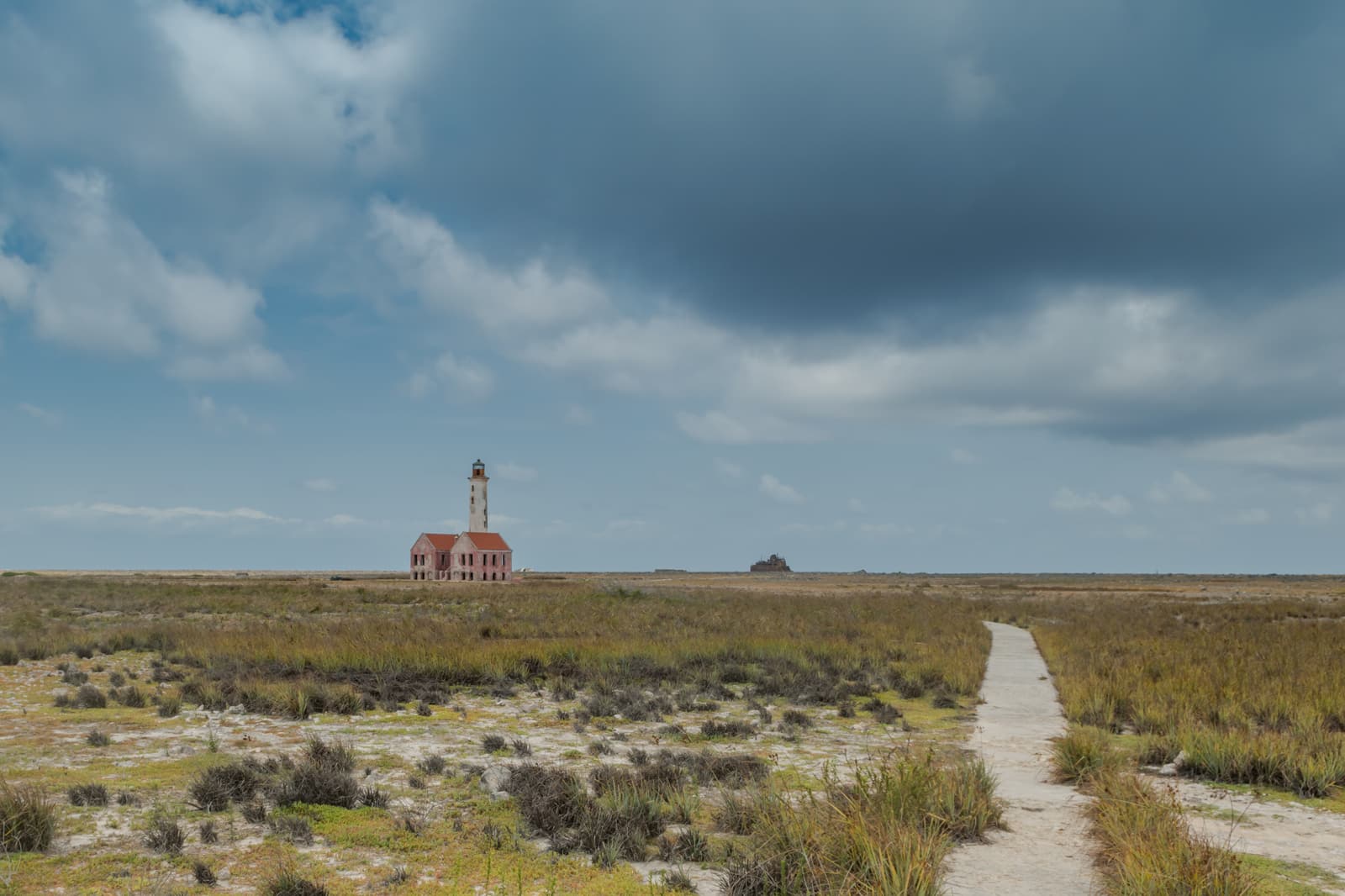
The old lighthouse of Klein Curaçao standing above the sand Offshore: Klein Curaçao

Klein Curaçao

An uninhabited island with a lighthouse, a shipwreck and one of the Caribbean’s whitest beaches.

A flat, empty island of about 1.7 km² off the south-east tip of Curaçao, reached only by boat. Day trips spend several hours on its long white beach, snorkelling with turtles and walking to the old lighthouse and the rusting tanker on the windward side.

Planning your days

A sensible week: a day in Willemstad; a west-coast beach day with the turtles; a day for Christoffel, Shete Boka and Westpunt; a day on Klein Curaçao; the caves and the flamingos in a morning; and the rest on the beach. See the travel guide for itineraries and tours if you are not driving.

Plan your island days

Pastel waterfront, turtle beaches, one booking tab

A day on Klein Curaçao, a turtle snorkel at Playa Piskado, the Hato Caves or a walk through UNESCO-listed Willemstad — compare tours with hotel and cruise-port pickup and book in a couple of taps.